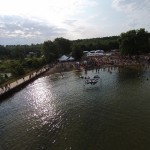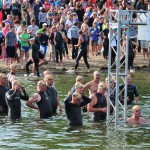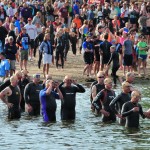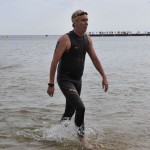
Door County Triathlon 2014

I competed in the Door County Triathlon on July 19, 2014. This was a sprint triathlon, the half-iron triathlon was on the 20th. I swam a quarter mile, then biked 18 miles and finally ran a 5 K. I finished in 1:57:01, which was better than I expected.

Here are the pictures – click on the thumbnail to see the larger version:

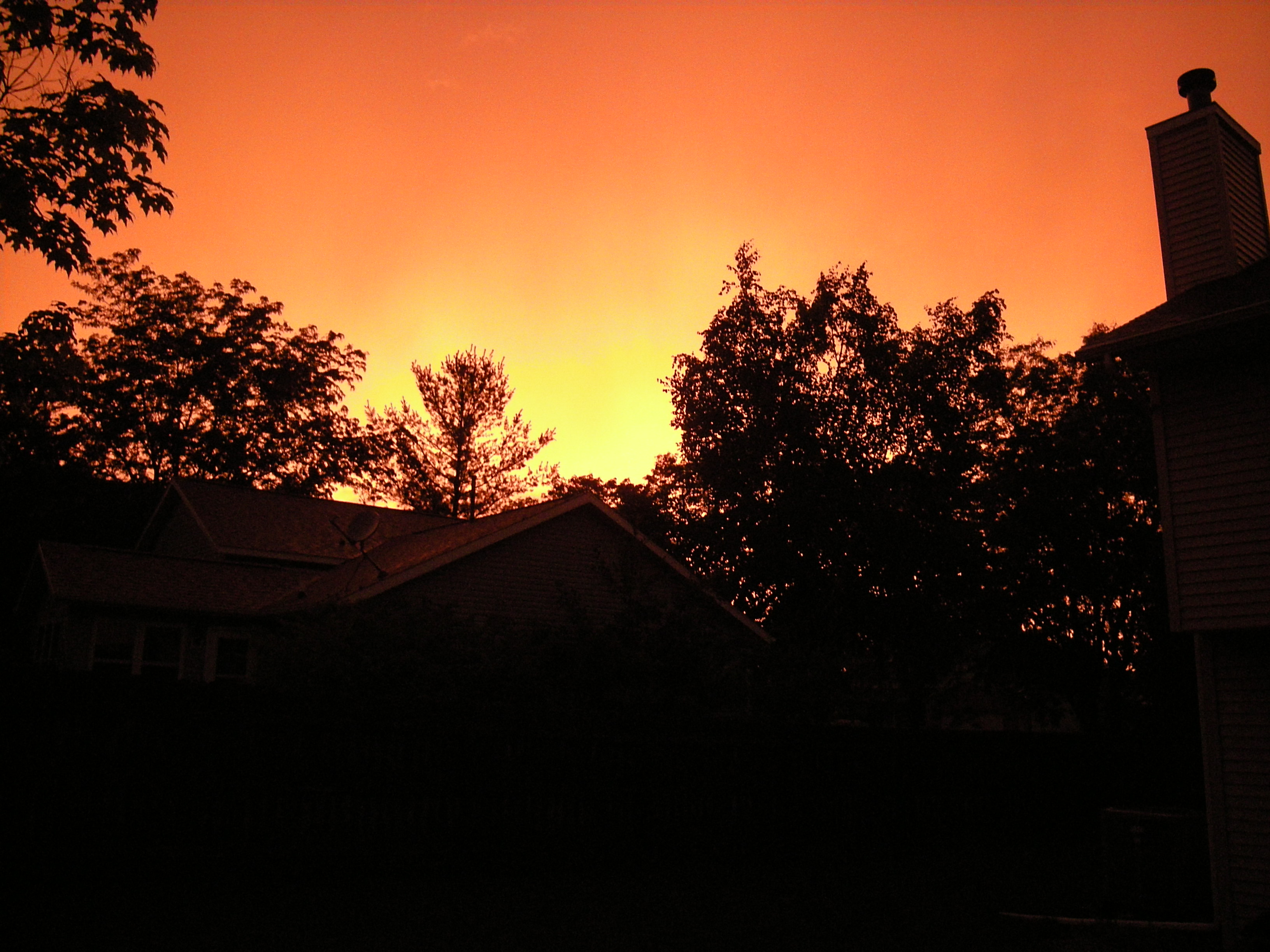
Orange Sunset

We had a round of severe weather pass through the area on Monday June 30, 2014. I left work early (just after 4:00) because I didn’t like the look of the weather radar. I was more worried about severe weather (hail or high winds) but there is always the potential for flooding on University Ave between Midvale and Campus Drive.

It was raining when I left work, and it was raining hard when I got home. Most of the severe weather passed around the Madison area, but we got a lot of rain. After the storm passed, we had a double rainbow, which I did not get a good picture of because it was already so dark – it was around 8:00. There was also a very unusual orange sunset:

An amazing orange sunset after a storm

An amazing orange sunset after a storm

Lutefisk Dinner 2013

I went to a traditional lutefisk dinner at Christ Lutheran Church in DeForest on Saturday, November 9, 2013. I’ve got some pictures, and this gives me the perfect chance to compare two Flickr photo gallery plugins:

This gallery is from the Responsive Flickr gallery:


Ok? compare to this from the Awesome Flickr Gallery:

It is what it is

I came across this poem a few days ago while looking up the origin of the now common
saying “it is what it is.” In the course of my search I found this poem by Erich Fried, which is apparently the first occurrence of the saying (though in German of course) and I enjoyed it. The poem was originally published in 1983. I’ve added my English translation below.

Was es ist

Es ist Unsinn
sagt die Vernunft
Es ist was es ist
sagt die Liebe

Es is Unglück
sagt die Berechnung
Es ist nichts als Schmerz
sagt die Angst
Es ist aussichtslos
sagt die Einsicht
Es ist was es ist
sagt die Liebe

Es ist lächerlich
sagt der Stolz
Es ist leichtsinnig
sagt die Vorsicht
Es ist unmöglich
sagt die Erfahrung
Es ist was es ist
sagt die Liebe

Erich Fried: Es ist was es ist. Liebesgedichte, Angstgedichte, Zorngedichte. Wagenbach, Berlin 1996

English Translation
What it is

It is nonsense
says reason
It is what it is
says love

It is misfortune
says calculation
It is nothing but pain
says fear
It is hopeless
says insight
It is what it is
says love

It is ridiculous
says pride
It is careless
says caution
It is impossible
says experience
It is what it is
says love

The Ice Bowl

More about The Ice BowlI was inspired to read this by the weather conditions as the Packers host the 49ers in an NFC Wildcard game. It’s not quite as cold in 2014 as it was back in 1967, but it still very cold to be playing football outdoors!

I was 10 years old in 1967 and remember the Ice Bowl vividly. I like this book a lot: it’s not overly long, it discusses the 1967 season in some detail to provide context, and best of all, it has diagrams of some of the key plays during the game to go along with the narrative. I’ve found a couple of minor inaccuracies with some of the background information, but it’s still a great read.

Russia Against Napoleon

More about Russia Against NapoleonThis is a comprehensive overview of the Russian struggle against Napoleon. The author begins with the political maneuverings after the Peace of Tilsit in 1807 and carries through to the Allied entrance into Paris in 1814. The main focus is on Russian political and military affairs beginning with the invasion by Napoleon in 1812 and continuing on to the peace of 1814.

Most people are familiar with the 1812 campaign, but the author spends time dissecting why Napoleon’s invasion failed, and shows that it was not a matter of chance and a severe winter; instead the Russians had planned carefully on how best to defeat the French. What is interesting to me is the author’s discussion of the 1813 and 1814 campaigns; both in terms of the politics of the alliance and the actual military events. This is often glossed over, beyond a brief mention of the battle of Leipzig. The French did not collapse after the failed invasion of Russia, and much political skill was required by Tsar Alexander to coax the Austrians into the Russian and Prussian alliance. Despite the failure of the 1812 campaign, the defeat of the French was by no means a foregone conclusion.

The internal Russian politics both inside and outside of the army are also discussed at length. The triumph of Russian arms is in no small part a triumph for Alexander and his vision of how to best fight the French and ensure peace for Russia.

As an aside, it is refreshing to read a military history where logistics are discussed at length. The Russian supply system was one of the crucial factors in the eventual victory of the Allies.

If Kennedy Lived

More about If Kennedy LivedI really enjoyed this book; it’s an alternative history based on the premise that JFK survived the assassination attempt in Dallas on November 22, 1963. It is an interesting exploration of the politics of the early and middle 1960’s; including a few scandals which were buried after Kennedy’s death. What people tend to forget is that JFK was a very cautious politician – he was keenly aware of his narrow mandate and never really acted unless he had to. Also, unlike his youngest brother, JFK was not particularly liberal.

Of course the most interesting question is what would have happened in terms of the US involvement in Vietnam, which the author handles in a believable way and shows an interesting connection to the civil rights movement. Granted, we’ll never know what really would have happened, but it’s a plausible story.

Jeff Greenfield is a well-known political writer and is the author of Then Everything Changed which is a collection of alternate history stories. He does a good job with this book, but once we get to 1966 or so, things start to drift a bit. Part of that is of course that the big questions have been answered by then. The book ends right before the presidential election in November 1968. If you like alternative histories, this is a good one.